Gouveio
B
Wine grape variety.

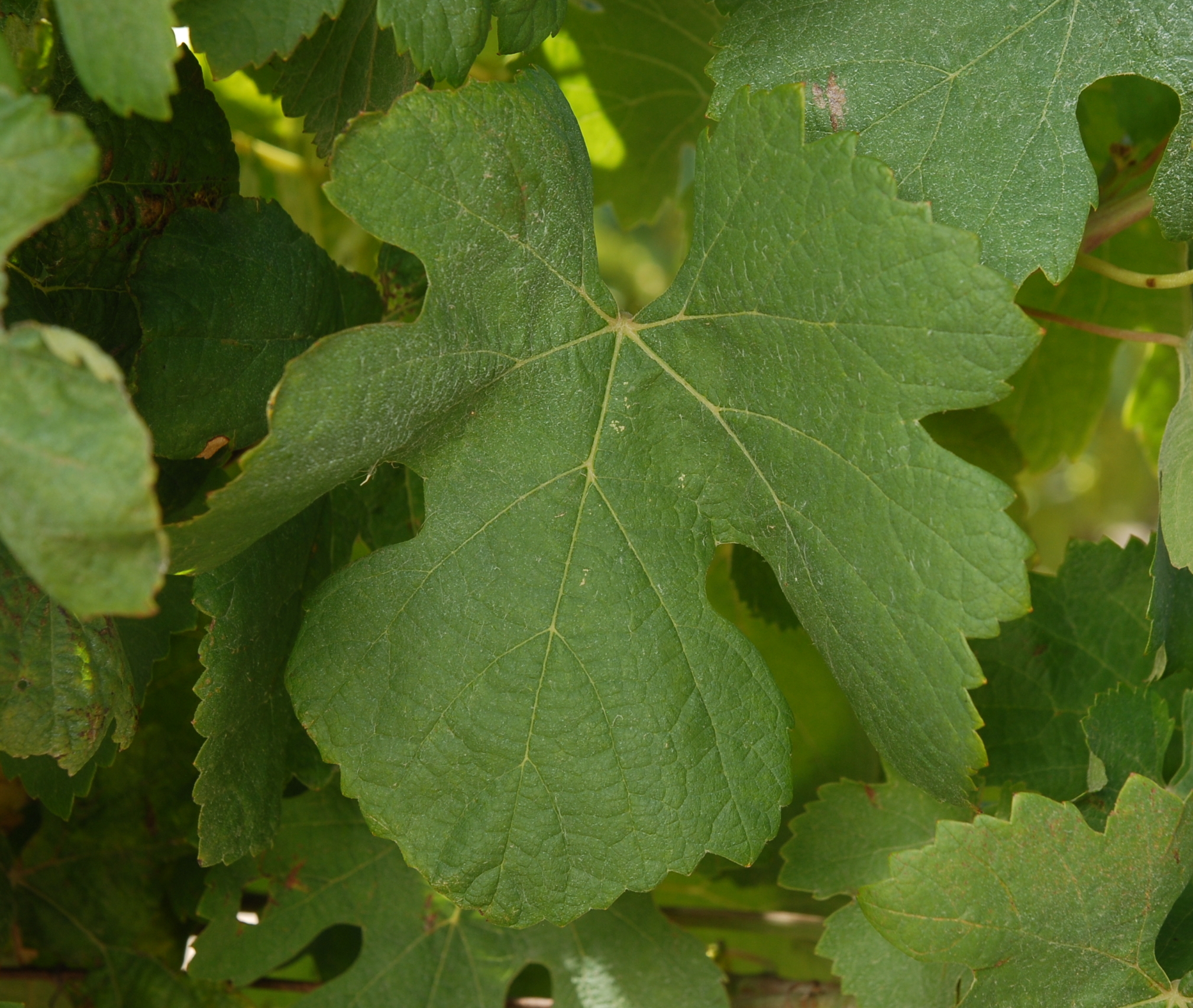
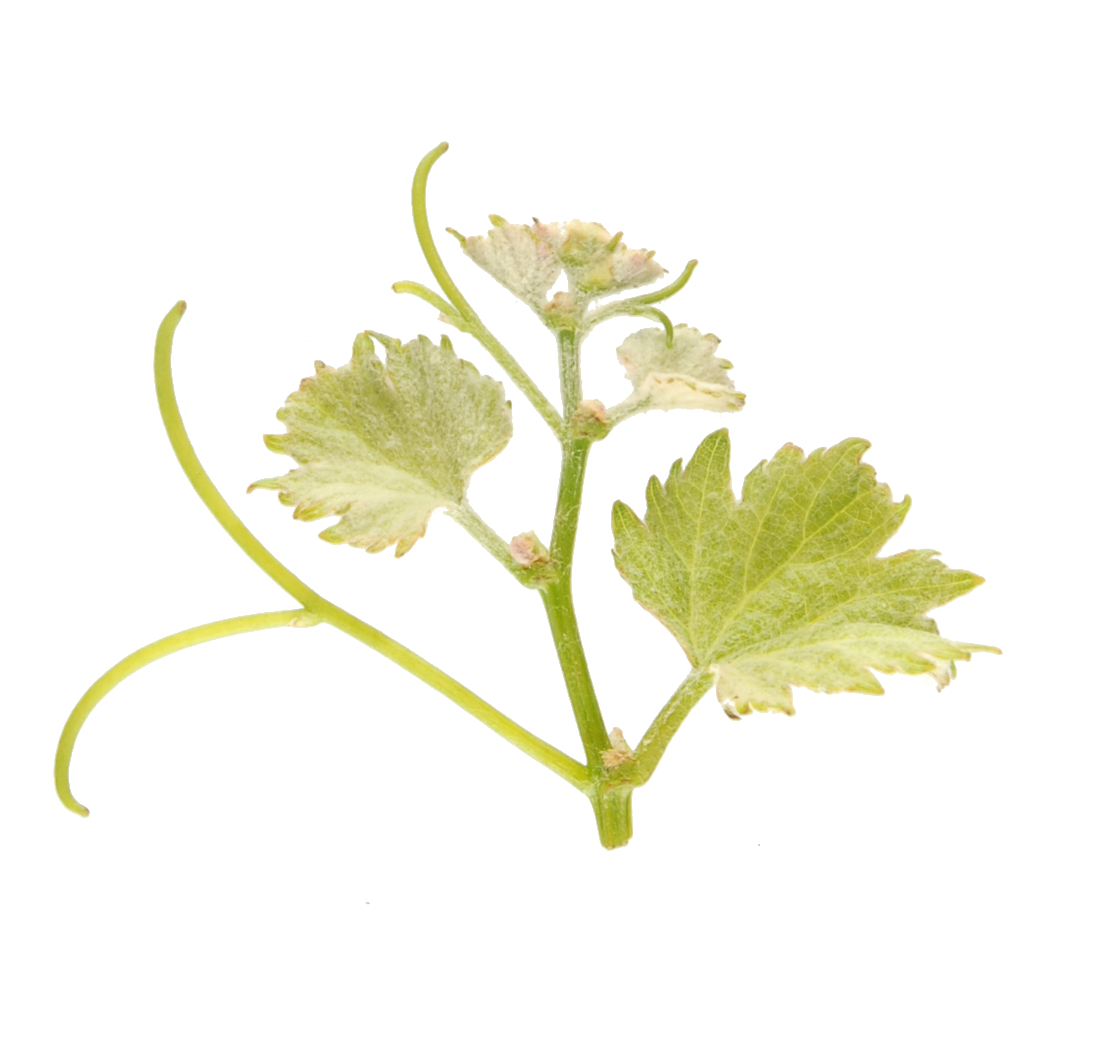
The geographical origin of the variety is specified or, if this is not possible, the area in which it is traditionally cultivated. The genetic origin of the variety is also indicated whenever it is known from hybridiser data or from genetic analyses published or obtained by the team of DAAV-AGAP and the Domaine de Vassal Experimental Unit (INARE and Institut Agro Montpellier).
Gouveio is probably originally from the Douro region of Portugal. Based on genetic analyses carried out in Montpellier, it would result from the crossbreeding of Castellana blanc and Savagnin.
This information indicates the normal and statutory use for the grapes.
Wine grape variety.
Name under which the variety is officially registered in the catalogue of grapevine varieties in France and under which it may be propagated and disseminated.
Gouveio
Recognised alternative names that may be used to identify the propagation material of the variety in France or in other member countries of the European Union.
In Spain, Gouveio is officially designated as "Godello". This synonym is officially recognized in France regarding plant propagation material.
This information indicates on which list the variety is registered (A or B), whether it is classified for wine grapes, and in which member countries of the European Union the variety is also officially registered (for more information, see the "Legislation" menu.
In France, Gouveio is officially listed in the "Catalogue of Vine Varieties" on the A list since 2023 and classified. This variety is also listed in the catalogues in other Member States of the European Union: Spain, Italy and Portugal.
Only the principal ampelographic elements enabling the varieties to be characterised and identified are provided. They are presented according to the descriptor code recognised by the International Organisation of Vine and Wine (OIV), the International Union for the Protection of New Varieties of Plants (UPOV), the Community Plant Variety Office (OCVV) and Bioversity International (for more information, see the "Ampelographic glossary" menu). The photographs of leaves and grapes were taken in natural conditions, on the vine, in very similar situations in terms of growing conditions (sandy soil, Mediterranean coast): - Domaine de l'Espiguette (IFV), Le Grau du Roi (Gard), - Domaine de Vassal (INRAE), Marseillan (Hérault), - La Gaillarde Campus (Institut Agro Montpellier SupAgro), Montpellier (Hérault). Only a few photographs, including the tips of bunches, were taken in other conditions.
[Redaction in progress]
Genetic profile
The genetic profile of the variety is provided for the 9 microsatellite markers (or SSR markers) selected under the European programme GrapeGen06 (http://www.eu-vitis.de/index.php). The absolute size values of the alleles may vary slightly from one laboratory to another, but the relative differences between the two alleles of one single microsatellite are constant. The genetic analyses were conducted by the INRAE Montpellier team DAAV (Valérie Laucou) and the IFV’s Plant Material Centre (Maryline Roques).
| Microsatellite | VRZAG62 | VRZAG79 | VVMD25 | VVMD27 | VVMD28 | VVMD32 | VVMD5 | VVMD7 | VVS2 |
|---|---|---|---|---|---|---|---|---|---|
|
Allele 1 |
186 |
252 |
248 |
182 |
233 |
251 |
223 |
239 |
149 |
|
Allele 2 |
188 |
252 |
248 |
186 |
257 |
271 |
236 |
243 |
155 |
The data on suitability are the result of field observations or, if none are available, of bibliography mining and the study of bibliographic references.
Gouveio is a fertile, moderately vigorous variety with a semi-erect bearing. Its production is moderate to high and steady. It is usually pruned long. This variety adapts well to a wide range of climatic conditions, from continental to maritime. It performs best in deep, well-drained soils; excessively hot areas should be avoided. Gouveio is sensitive to water stress and heat ("sunburn"). It is moderately susceptible to coulure and millerandage.
These remarks are also the result of field observations or, if none are available, of bibliography mining and study of bibliographic references.
Gouveio is very sensitive to grey rot and moderately susceptible to downy mildew and powdery mildew.
The size of grape clusters and berries indicated are based on the following scales: - Wine grape varieties Size : Very small Bunch (g) : ≤ 100 Berry (g) : 1 - Table grape varieties Bunch (g) : 150 Berry (g) : 2 - Wine grape varieties Size : Small Bunch (g) : 100 - 200 Berry (g) : 1,5 - 2 - Table grape varieties Bunch (g) : 150 - 250 Berry (g) : 2 - 3,5 - Wine grape varieties Size : Moderate Bunch (g) : 200 - 250 Berry (g) : 2 - 2,5 - Table grape varieties Bunch (g) : 250 - 400 Berry (g) : 3,5 - 5,5 - Wine grape varieties Size : Large Bunch (g) : 250 - 400 Berry (g) : 2,5 - 3,5 - Table grape varieties Bunch (g) : 400 - 700 Berry (g) : 5,5 - 8 - Wine grape varieties Size : Very large Bunch (g) : 400 Berry (g) : 3,5 - Table grape varieties Bunch (g) : 700 Berry (g) : 8 Remarks concerning the characteristics of the wines are generally based on tastings organised by juries of professionals.
The bunches are small to medium-sized and compact. The berries are medium-sized and quite bloomed. This grape variety has a high sugar accumulation potential for high acid content. Dry white wines made from Gouveio are aromatic, fruity, and balanced, with good aging potential and fairly high acidity. This grape variety is also used for the production of fortified wines.
In this section, the list of certified clones is given. Information on clone conservatories is also provided.
There is no certified clone for this variety yet.
The growth stages indicated are the result of obsrvations made at the Domaine de Vassal Estate where the set of these varieties form a collection. The results are indicated compared to the Chasselas vine variety as a reference in order to make comparisons between years and different sites. As such, for information purposes, the dates for the Chasselas B growth stage at Domaine de Vassal are as follows: - Bud burst, March 17 (average over 70 years) - Grape maturity, August 12 (average over 70 years)
Bud burst: 5 days after Chasselas.
Grape maturity: mid-season, 2 weeks after Chasselas.
Bibliography
- Documentary collections of the Centre de Ressources Biologiques de la Vigne de Vassal-Montpellier, INRAE - Institut Agro Montpellier, Marseillan, France.
- Traité général de viticulture, Ampélographie. P. Viala and V. Vermorel, 1901-1909, Ed. Masson, Paris, France.
- Note sur les cépages portugais et leur synonymie. P. Truel, 1983, Ed. Progrès Agricole et Viticole, France.
- El vino uva a uva. C. Cidon et C. Gallego, 2006, Ed. Everest Publishing, Spain.
- O grande livro das castas. I. Böhm, 2007, Ed. Chaves Ferreira, Portugal.
- Càtalogo das castas para vinho cultivadas em Portugal. R. Faustino, 2011, Instituto da Vinha e do Vinho, I.P, Portugal.
- Variedades de Vid en España, F. Cabello Sàenz de Santa María, 2011, Ed. Agricola Española, Spain.
- Dictionnaire encyclopédique des cépages et de leurs synonymes. P. Galet, 2015, Ed. Libre&Solidaire, France.
- Wine Grapes. J. Robinson et al., 2012, Ed. Penguin, England.